Thursday, 5 November 2015
Mise-en-scéne
Mise-en-scéne is things that are purposely put into films and can give
hints as to what may happen or what the character is like. The setting or props used within a scene are used to build
certain expectations for example in a hospital you would expect there to be
heart monitors, medical equipment and doctors/nurses etc. Costumes can also be mise-en-scéne to help tell
the audience what the characters personality, social status or job. Facial expressions
and body language are used to
show the audience how the character is feeling for example is they were smiling
you would assume they were happy or if they had their hand clenched you would
expect them to be feeling angry.

Editing
Match
on action: This will show a character doing something i.e. someone
walking towards a door, and then following the action so it will be a close up
of their hand on the handle and opening the door.
Cut: A
visual transition created in editing in which one shot is instantaneously
replaced on screen by another.
Continuity:
This is when the action follows on from the previous one and helps to establish a sense of
story for the viewer.
Cross
cutting: Alternating
2 or more scenes that often happen simultaneously but in different locations.
Cutaways: When a scene cuts away
to a relevant image or footage.
Dissolve:
Shows one scene being dissolved into the next making a softer transition,
to show ellipsis or time passing
Ellipsis: This is taking out all
the boring parts
Eyeline
match: This consists of 3 shots. The 1st showing
the character, the 2nd showing what they are looking at and the 3rd
showing their reaction.
Fade: This is when the scene will appear or fade to black.
Graphic
match: This is when two shots match graphically
Insert: This is putting something into a the shot
Jump
cut: This will jump to different parts of an action
within a scene, for example someone walking down stairs, it will jump to them
being further down.
Long take:
This is when the camera is
following or filming a subject for a long time
Non-continuity: This when the scene doesn’t
follow on from the previous one. This is miss-matched on purpose.
Parallel editing: This is a split screen, so two shots being
shown side by side
Shot/Reverse shot: This is mainly used to
show a conversation. The camera will be behind a characters shoulder showing character
talking. This will then swap around when the other character talks.
Slow Motion: This shows a shot being
slower than it was originally recorded.
Superimposition: This is when an
image/scene is being layered on top of one another.
Lighting
Lighting is used in films to show mood, illumination, guide the
audience’s attention towards something, show shape and texture. For example
dark lighting can be used to suggest that it is a horror or that something bad
is going to happen; whilst bright lighting can be used to suggest hope or
something good is happening.
Sound
Sound can either be diegetic or non-diegetic. Non-diegetic elements consists of voice-over (must be 3rd person narrative), music and text. Everything else within a film such as props, dialogue, thoughts, 1st person voice-overs etc are all diegetic.
Sound effects can be used in films to help show a humorous situation, conceal an action, intensify mood or help create a sense of location.
Music is used in films to help the audience know how the character is feeling, show the time and place, grab the viewers’ attention, or create tension and conflict.
Silence is mainly used to films to suggest death, something sad is happening or interrupt the regular rhythms of life’s sounds
Music is used in films to help the audience know how the character is feeling, show the time and place, grab the viewers’ attention, or create tension and conflict.
Silence is mainly used to films to suggest death, something sad is happening or interrupt the regular rhythms of life’s sounds
Camera Angle/Movement
High Angle: The camera will look downwards onto
a character which will make them look small and powerless
Low Angle: the camera will be looking at someone to make them look big and powerful
Close up: The camera will focus on a characters face or object which is used to show emotion
Extreme close up: This will only focus on only one thing for example the characters eyes
Establishing Shot: This shot will show where the scene takes place and will normally be an exterior shot
Wide Shot: This shot is used to show the surrounding of the character
Long Shot: This shot will show the subject i.e. a person showing their full body and most of their surroundings
Medium Long Shot: This will focus the character from their knees to their head
Medium Shot: this will focus on the character from waist to head
Medium Two Shot: This will show two characters in a scene both from waist to head
Medium Close Up: This will show the characters head and shoulders
Over The Shoulder: The camera will be behind on character whilst they are having a conversation, this is used during a conversation.
Overhead Shot: The camera will be looking directly downwards onto the subject
Deep Shot: The camera will show one subject in the foreground and another in the background
Big Close Up: The camera will focus on the characters forehead to chin which is used to show extreme emotion
Wednesday, 28 October 2015
Roles in films
Costume designers
– They are responsible for designing the costumes in a film.
Director – They
have control on all aspects of a film including: casting, editing, shot
selection, shot composition and script editing.
Director of
photography – They’re responsible for the selection and arrangement of
lighting, cameras and lenses used.
Editors – They
will edit the movie to make sure it all flows and in the correct order based
upon the directors instructions.
Executive producer –
Their role is similar to the directors but instead of dealing with the
technical aspects they are responsible for handling the business and legal
issues relating to the film making.
Music supervisor –
They are responsible for handling the music which will be used for the film,
they will negotiate record contracts, publishing deals and work with everyone
who is involved in creating or supplying music.
Producer – The
producer is in charge of the entire movie however, their main role is raising
fund, hiring key personnel and arranging for distribution.
Production designer –
Their role is to design the style of the sets, locations, graphics, props,
lighting, camera angles and costumes. They will work closely with the director
and producer.
Screenwriter –Their
role is to adapt existing works for production into a movie, or create a new
screenplay to be filmed.
Visual effects
producer and supervisor- Both roles are responsible to help with the
creative aims of a film using visual effects.
Tuesday, 27 October 2015
Thursday, 8 October 2015
Codes and Conventions
What are code?
The codes and conventions are used in the being of the opening scene to allow the audience to get a small insight into the film, know the genre, grab their attention. They let the audience discover who the main character are and what they are like (mise-en-scene) as well as setting the scene and main location of the film. If the opening scene is viewed as boring towards the audience they will most likely skip it, so it is important that it is eye-catching and can hook the audience within the first couple of minutes.
What are conventions?
Conventions in a film are used mainly to display a message which will be shown through the use of codes. There are 3 main codes in a film consisting of technical (editing, sound, lighting,camera angles etc), written (speech bubbles, headings, captions - any form of written displayed during a film) and symbolic (the way the character looks/behaves and setting)
Thursday, 17 September 2015
Techniques
Match On Action
Match on action is a film/video editing technique the editor will use to show a shot from one view moving onto another view that will match the first action. For example one shot of a man walking to open a door and the next shot being the man opening the door.
Shot/Reverse Shot
Shot/reverse shot is where a character is shown looking at the other character and then the view will be moved to show the next character looking back, so the shot is reversed.
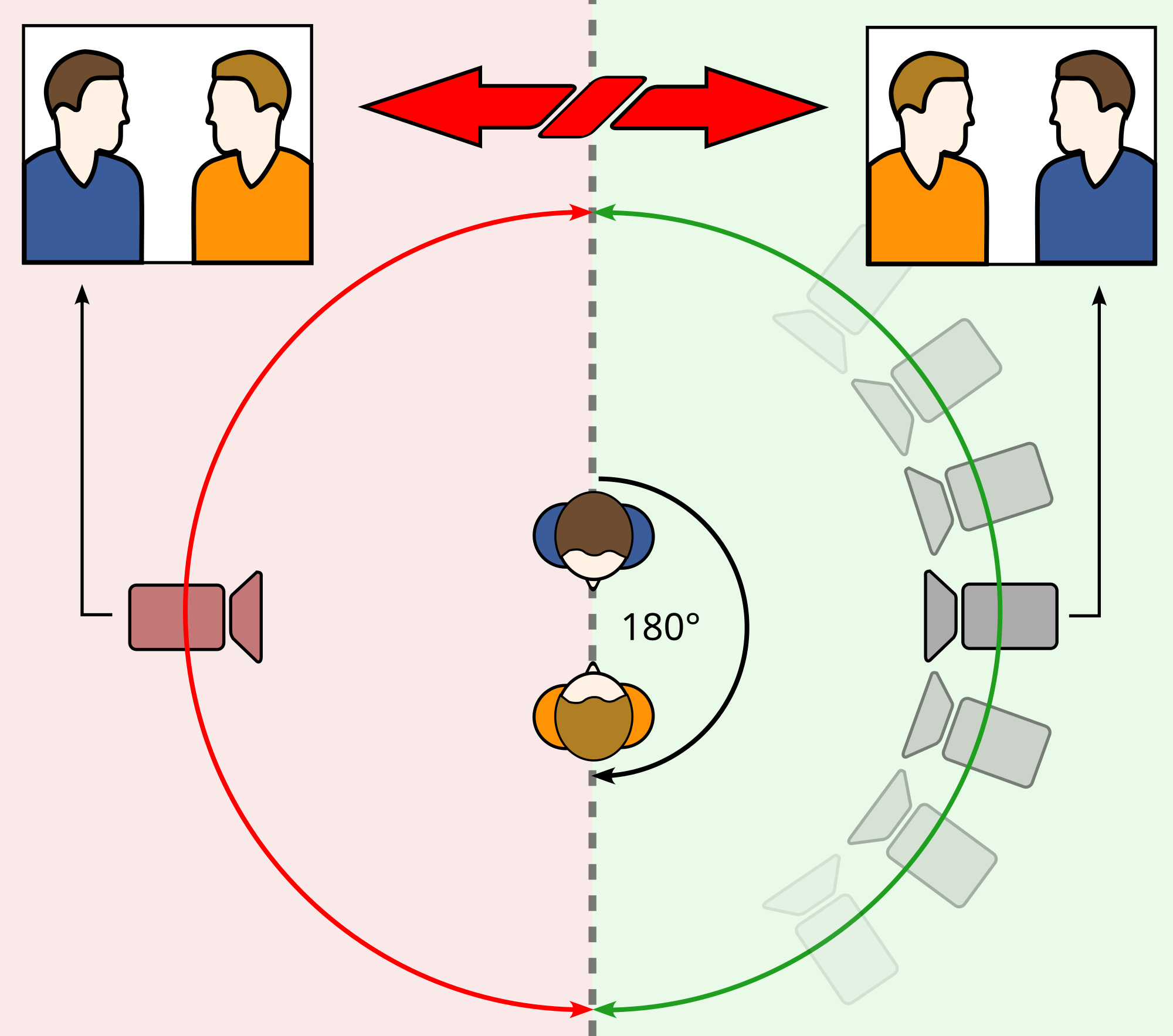
180 Degree Rule
The 180 degree rule states that characters within a scene should always have the same left or right. If this rule is broken then a person who was originally facing left would then all of a sudden be facing right.
Match on action is a film/video editing technique the editor will use to show a shot from one view moving onto another view that will match the first action. For example one shot of a man walking to open a door and the next shot being the man opening the door.
Shot/Reverse Shot
Shot/reverse shot is where a character is shown looking at the other character and then the view will be moved to show the next character looking back, so the shot is reversed.
180 Degree Rule
The 180 degree rule states that characters within a scene should always have the same left or right. If this rule is broken then a person who was originally facing left would then all of a sudden be facing right.

Subscribe to:
Posts (Atom)